The Woman Behind the Move: Redefining Yourself After an International Relocation


Earlier this month, I led a workshop for Aída Ramos's "New(ish) in Madrid" community on identity - and the conversation highlighted just how complex it becomes when you move abroad.
A room full of women from different countries, careers and cultures sat together. Our stories were different, but the same themes kept surfacing.
You build a life - a career you’re proud of, friendships that sustain you, roles that make sense… and then you move abroad and everything changes. All at once. Your routines, your networks, your status, even the way you introduce yourself.
You arrive in a new city and suddenly you’re not sure who you are anymore.
That’s the quiet cost of international moves that often gets overlooked.
1. The identity gap no one talks about
What came up again and again was this: so much of our identity is tied to what we do for a living.

Back home, your work gave you rhythm and purpose. It told you where to be, what you were good at and how you contributed. It shaped how you saw yourself - and how others saw you.
When you relocate, especially as an accompanying partner, that part can disappear overnight.
You move for your partner’s role. And whilst everyone, yourself included, assumes the time off will feel like a gift, it rarely does. Your visa doesn’t allow you to work locally. And even if you can work remotely, that sense of being cut off from the team - from your in-person professional identity - hits harder than expected.
A client said to me recently:
“I know I should feel lucky - I don’t have to work here, and part of me enjoys the break. But without my job, I don’t recognise myself.”
She’s not alone. Many of the women I coach carry a quiet guilt:
“I should be grateful… so why do I feel unanchored?”
Because work isn’t just work. It's identity.
2. What identity is really made of
Identity isn’t one thing — it has four parts:
- What we do - the routines, responsibilities and work that structure our days (e.g. your job, daily rhythm).
- What we value - the principles that guide us (e.g. independence, contribution, creativity, stability etc.).
- Who we are in relation to others - the roles we play (e.g. partner, parent, friend, colleague).
- What we’re good (or not so good) at - the strengths and skills that shape our confidence (e.g. communicating well, organising life, making friends easily — or struggling with admin, uncertainty, or social situations in a new language).
When you move abroad, all four can shift at the same time.
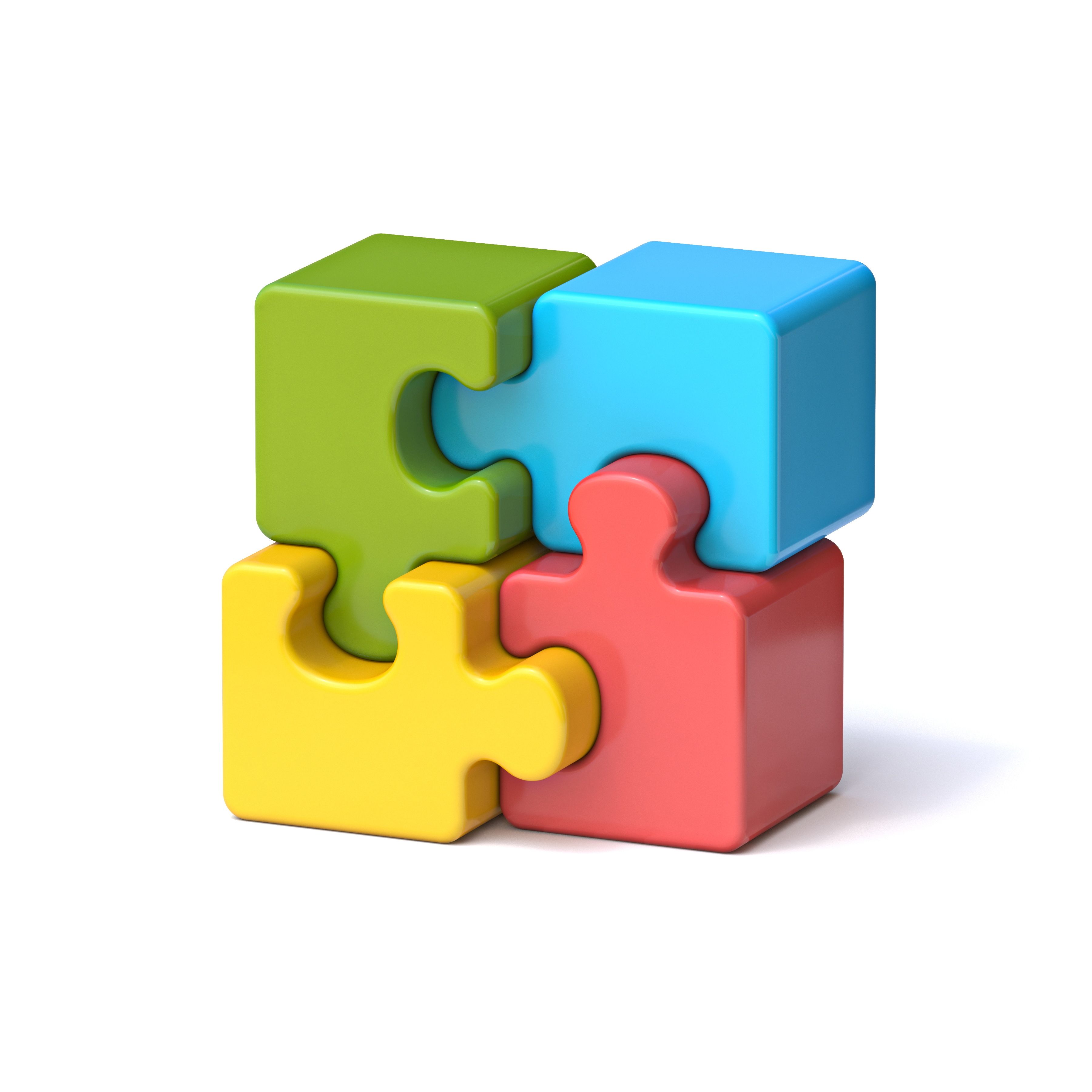
A change in one area is manageable; a change in all four can feel like the ground has quietly moved beneath you.
This is why the feeling of “I don’t recognise myself anymore” is so common — and so unsettling.
3. Even when life looks better, identity can still wobble
There’s also the cohort of women and families who move to Madrid on digital nomad visas - many from the US. On paper, the move brings clear benefits:
- lower cost of living
- safer neighbourhoods
- brilliant food
- gorgeous weather
- public transport that actually works
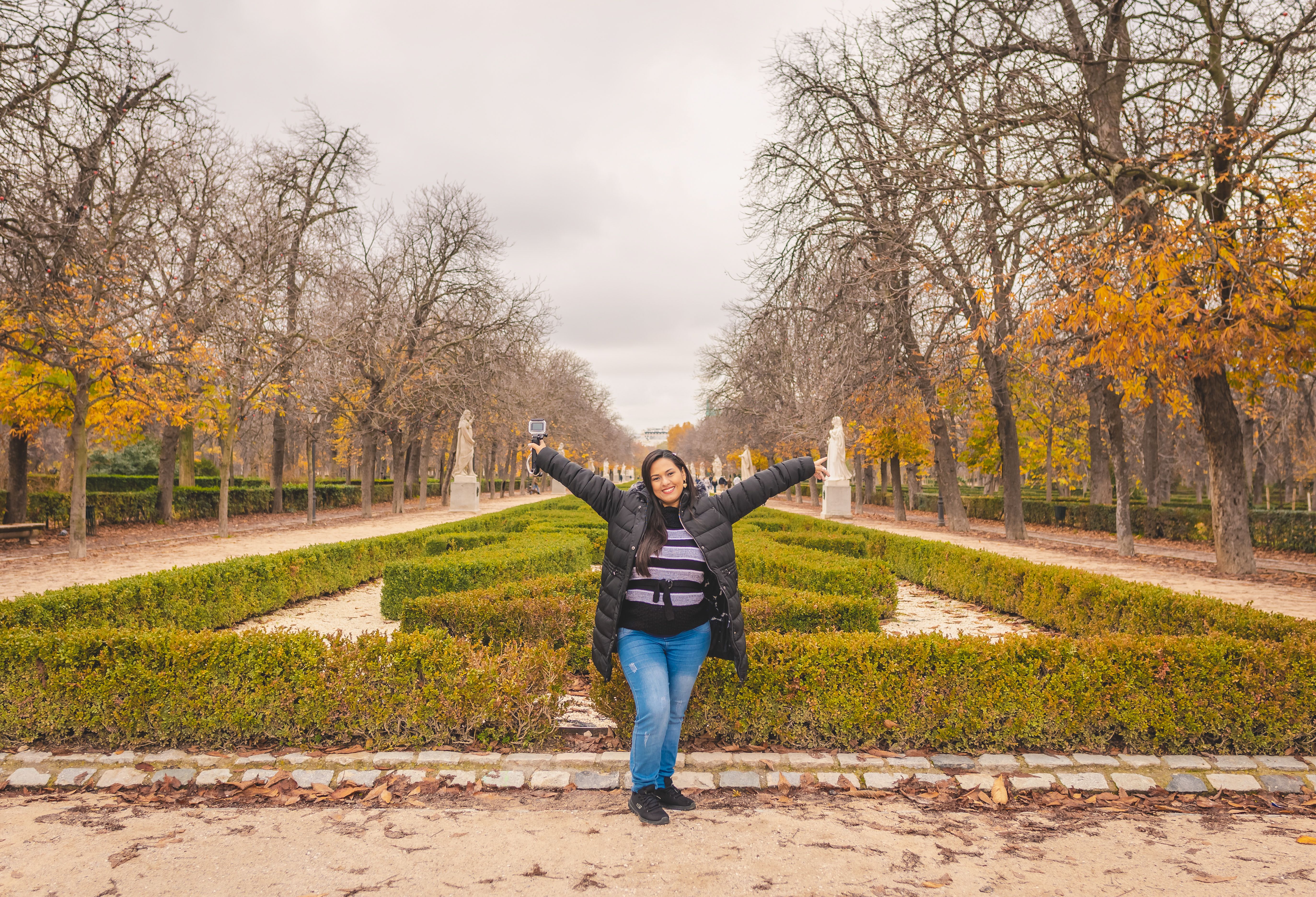
And yet, the identity challenges remain.
The overwhelm of building a new community.
The lack of family support.
The cultural surprises that catch you off guard.
Like discovering there’s no nursery provision in August, or the shift from car-based life to buses and metros, or realising your neighbours operate on an entirely different timetable.
These things aren’t problems - they’re just different.
But difference shapes identity.
4. Why roles alone aren’t enough
Another theme from the workshop was the recognition that roles like wife and mother may be deeply meaningful — but they aren’t enough on their own.
Most women need something that’s theirs. Something that gives a sense of agency, curiosity or competence.
And it doesn’t have to be a job. It can be:
- a running club
- a yoga class
- a language course
- a volunteering role
- the New(ish) monthly meet-ups
- a creative project
- a community you see regularly
Something consistent.
Something that reminds you who you are outside your relationships.
Something that gives you your own space - even for an hour a week.
The relief in the room was noticeable when women said this out loud.
The recognition was immediate:
Wanting something for yourself isn’t selfish.
It’s healthy.
It’s human.
Identity isn’t fixed. It’s shaped. And reshapable.
5. A new chapter - yours to write
I ended the workshop with a quote from Michelle Obama:
“If you don’t get out there and define yourself, you’ll be quickly and inaccurately defined by others.”
Moving abroad gives you a blank page - whether you asked for one or not.
But a blank page isn’t a demand to reinvent yourself.
It’s an invitation to pause, reassess and redefine what matters within the reality of your situation: your visa, your childcare responsibilities, your partner’s schedule, your energy.
These constraints are real.
And yet, within them, identity can evolve.
It’s still your chapter to write.
6. Reflection
A few questions to ask yourself this month:
- Which parts of my identity have felt “on pause” since moving abroad?
- What do I miss most about the person I was before the move?
- Which routines or communities here could support the identity I want to grow into?
- What’s one small thing I could do weekly — just for me?
Small questions. Big clarity.
7. A gentle invitation
If reading this brings up something for you - if you’re feeling unanchored or unsure who you are without your old career or community - you don’t have to figure it out alone.
I offer a free 30-minute discovery call where we can explore what’s feeling off, what you’d love to rebuild and how to start shaping a life here that feels like it belongs to you again.
Book a time that suits you:
https://calendly.com/carmel-drake/discovery-call
Identity isn’t something that just happens. It’s something we shape - through reflection, intention and small, steady steps.